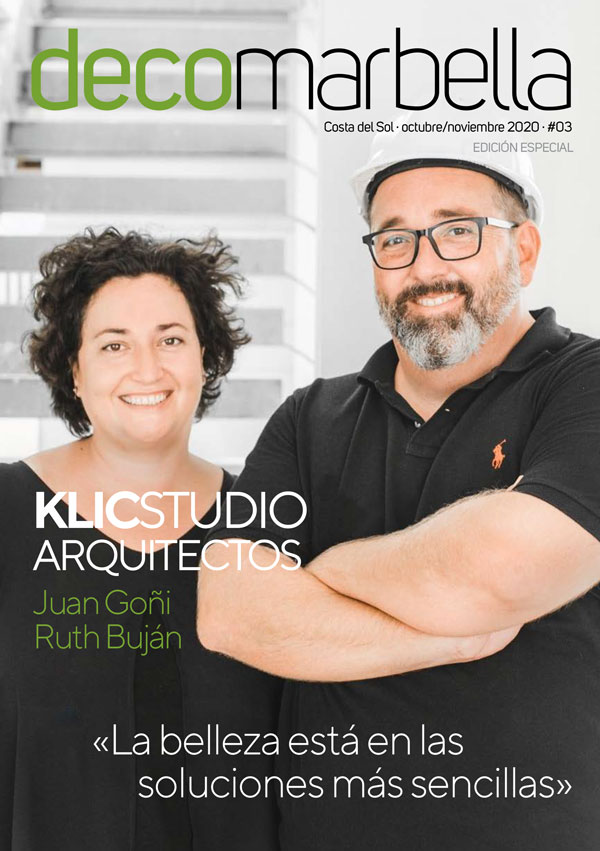
What does turnkey (llave en mano) mean? We explain all the advantages this type of building project offers. Read on to find out!
A turnkey renovation is a type of contract between a building contractor and a client that can bring numerous benefits.
The detached house is the most common type of building project offered under a turnkey contract. Building contractors usually have several designs drawn up in 3D, ready to show to clients.
This is probably not the first time you have come across this kind of contract, and you may well have wondered what llave en mano means. Today at Klic Arquitectos we clear up all your questions. Read on!
What is a turnkey renovation?
It is a contract between the building contractor and the buyer which establishes that the contractor is responsible for carrying out the building project and all the paperwork it requires, for a price agreed in advance by both parties and within a set timeframe.
The client hires a company to design the space that is going to be built and to take charge of the whole building project, including all the paperwork a construction job involves. In this way, a turnkey renovation frees the client from most of the formalities and procedures, such as obtaining the project documents and the municipal licences, applying for and contracting the utility supplies, sourcing the building materials and assembling the home.
This type of construction costs more, as the client is relieved of all the tasks a building process demands and simply waits to receive the finished space, ready to use.
Advantages of a turnkey contract
Now that you know what llave en mano means, here are the main advantages of this type of project:
Closed price
This contract avoids extra costs in building the home within the agreed timeframe, because a single, closed price is fixed before work begins.
Agreed timeframe
The company sets out the phases and tasks to be carried out on site in a schedule, so the client can follow the stages of the works and see where the project stands at any given moment. This type of contract is a major responsibility for the company, as it must stick to the agreed deadlines.
A single point of contact
The client deals directly with the company alone, which saves time and effort in coordinating and tracking down the various professionals involved in the works.
Greater savings
Turnkey renovations involve fewer financial risks for the client. The company takes responsibility for any losses, damage and disputes that may arise during the works.

What a turnkey contract includes
A turnkey renovation project has three components:
Design of the home
One of the first steps to building a house is creating a design. The company prepares a design for the space to be built in advance, taking into account the client’s preferences and tastes.
Technological components
This covers all the technology built into the project design, as well as the technology needed to carry out the works.
Supplies, construction and assembly
The company is responsible for the construction and assembly, as well as for subcontracting other professionals when required. The client is entitled to check who the subcontractors are and to negotiate the price at which they are hired.
Responsibilities of the parties
The contract must set out in detail the responsibilities to be assumed by both the client and the building contractor.
The client must:
- Pay the company the agreed price.
- Give the building contractor access to the site.
- Help the company obtain the permits and licences.
As for the company, it must:
- Obtain in advance all the permits and licences needed to start the works.
- Design the space that is going to be built.
- Take responsibility for any defects that may arise.
- Keep the client informed of the status of the project and provide all the information they need.
We hope this article has helped you understand what llave en mano means. At Klic Arquitectos, your architecture studio in Málaga, we plan your home project with a bespoke design tailored to your preferences. Get in touch with us!