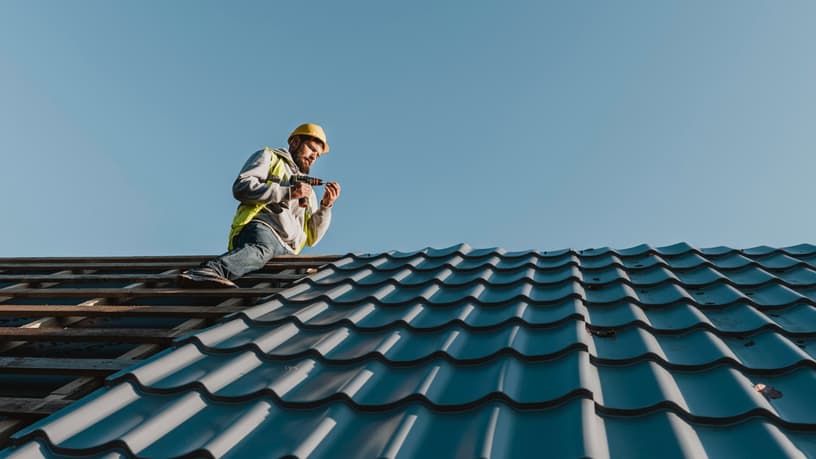
The roof is one of the most sensitive parts of any house and the most exposed to wear and tear. The passage of time and the weather can both damage its structure, which in turn reduces the comfort the roof is able to provide.
One of the most serious problems with a roof in poor condition is inadequate insulation, which leads to heat loss and poor energy efficiency. That is why the roof, properly insulated, provides excellent thermal insulation for a house, protecting it in the most extreme seasons, such as summer and winter.
So it is no surprise that many of our clients’ questions revolve around how to insulate an existing roof. There are two possible scenarios when insulating an existing roof, and each calls for a different technical solution:
- Insulating a roof from the inside.
- Insulating a roof from the outside.
Let’s look in more detail at how to insulate an existing roof from each side.
Insulating a roof from the outside
Insulating a roof from the outside is the best solution if the building is occupied. The workers carrying out the job never need to enter the homes, so the residents are disturbed as little as possible. The following solutions can be used:
Expanded polystyrene (EPS): this roof insulation solution is normally used when the space beneath the roof cannot be accessed or when the tiles need replacing. The polystyrene insulation boards are grooved on top so that the tiles stay firmly in place and do not slip over time. It is advisable to leave a vent in the roof to equalise the water vapour pressure inside and outside the building, which prevents condensation from forming.
Spray polyurethane foam: this method is very useful where water is getting into the roof. Spraying polyurethane foam is quick and very economical; the drawback is that it demands considerable experience from the operatives. The method consists of spraying a 5 to 7 cm layer over the old tiles and then applying a protective coat of waterproof or elastomeric paint.
Spray rubber: this material is highly insulating and waterproof, and it also has anti-fungal properties. It can be applied to any type of roof and bonds well to the surface, making for a clean job with no waste.
Wait! Before you read on about how to insulate an existing roof, you may be interested in: How to wire a house: electrical installation guide
Advantages of insulating a roof from the outside
Insulating an existing roof from the outside takes more work, but it has major advantages:
- As well as insulating the roof, you can repair any problems it has.
- External insulation solutions have a direct impact on eliminating thermal bridges.
- They give the whole house greater thermal inertia.
- The inside of the house is not affected.
Insulating a roof from the inside
Insulating a roof from the inside is the best solution if the building is not permanently occupied, such as summer or weekend homes. It is also used in historic buildings where no external work is called for, or where the waterproofing does not need to be touched.
Insulating the roof from the inside lets the house heat up more quickly, because the heat from the heating system is not used up warming the concrete roof slab. The following methods can be used:
- Mineral wool (glass or rock wool): this insulation system consists of a metal substructure supporting plasterboard sheets. The mineral wool is laid on top and the whole system is anchored to the ceiling with metal dowels or threaded rods. The result is highly effective in terms of both thermal and acoustic insulation.
- Extruded polystyrene: it is installed in a similar way to the system above; the only precaution is to cut the boards accurately and check that the joints are properly finished.
- Under the roof, between dwarf walls: this insulation method is installed beneath the horizontal concrete slab, on the slab between the dwarf walls.
Advantages of insulating a roof from the inside
Insulating an existing roof from the inside offers a number of advantages:
- There is no need to touch the tiles.
- No major site set-up is needed, so it is more economical.
- The house heats up much faster.
Work with professionals
Because knowing how to insulate an existing roof matters so much for your home, it is always advisable to have a team of experts carry out this insulation work, both outside and inside. At Klic Arquitectos we are here to help you bring your project to life, with the best team to advise you.
Don’t hesitate to get in touch with us!