
So, the picture: three of us in the office; by June 2008 I had collected almost everything owed for the 2007 work — working capital in the bank, but nothing new coming in — and not one live job on the boards. Eighteen months into running my own architecture practice I had made back the initial investment and things looked rather promising, apart from one small detail: the new commissions from EPSA (the Andalusian regional government’s public land and housing body, and at that point effectively my only client) still hadn’t arrived. They were about to, though. Sounds fine, doesn’t it? Wrong. Spectacularly wrong.
The work finally landed at the end of 2008. In the meantime we built a template project so we could turn drawings around faster once the commissions came, improved the website, worked on our Google rankings, and so on. Investing in the practice, in other words. Or, put less kindly, spending without getting paid. Then we worked flat out, all three of us — and the payments didn’t arrive until the middle of 2009. All that time I was carrying three salaries.
I lost the initial investment I had just earned back, plus €10,000 of profit, and I had to take out a loan to cover the practice’s fixed costs until the next payments came through. My original stake had been €21,000. At the lowest point of this second round I had €30,000 sunk back into the business: a new €15,000 loan, the €6,000 still outstanding on the old one, and the €9,000 of my own savings I had started with.
Two conclusions came out of it:
1. You have to spread the client base. One client is a dangerous place to be.
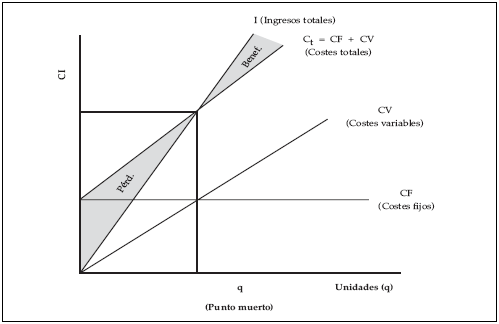
2. Fixed costs are very hard to carry.
In the cold light of day, I don’t think I got it wrong by keeping the team on through that stretch. I had a good run of work ahead of me and people who were hard-working and well trained, and it showed in the next round of commissions. Over time I made the money back. I’m only telling it because I hadn’t seen the situation coming and walked straight into it. In my case it worked out; in someone else’s it might not, so I’m setting down my own experience for anyone reading this. Faced with that, there are only two options. 1. Make the cost variable — go back to subcontractors instead of close collaborators and salaried staff (a small practice in Spain will usually lean on self-employed colaboradores, which is a far more elastic arrangement than a payroll). 2. What I did: keep the people, because I think they are good at what they do, and put them on strategic work that improves the practice in the long run.
For me, in my circumstances, the second is the right call. But the first is the safer one, and with the second you have to weigh it up, put a number on what you are actually investing, and keep that number where you can see it.

)