Aluminosis, also known as “concrete fever”, is a serious structural pathology that mainly affects buildings constructed in Spain between the 1950s and the 1980s. It has been behind numerous safety problems in homes and other structures because of the progressive degradation of reinforced concrete, and it is one of the problems we detect most often in the Due Diligence reports we carry out at Klic Arquitectos. But what exactly is aluminosis, how is it detected and how can it be avoided?
In this article, from our architecture studio in Málaga, we explain everything you need to know about aluminosis in homes from that period: how to identify it, what to do about it and what to check if you are thinking of buying in Málaga or on the Costa del Sol.
What is aluminosis?
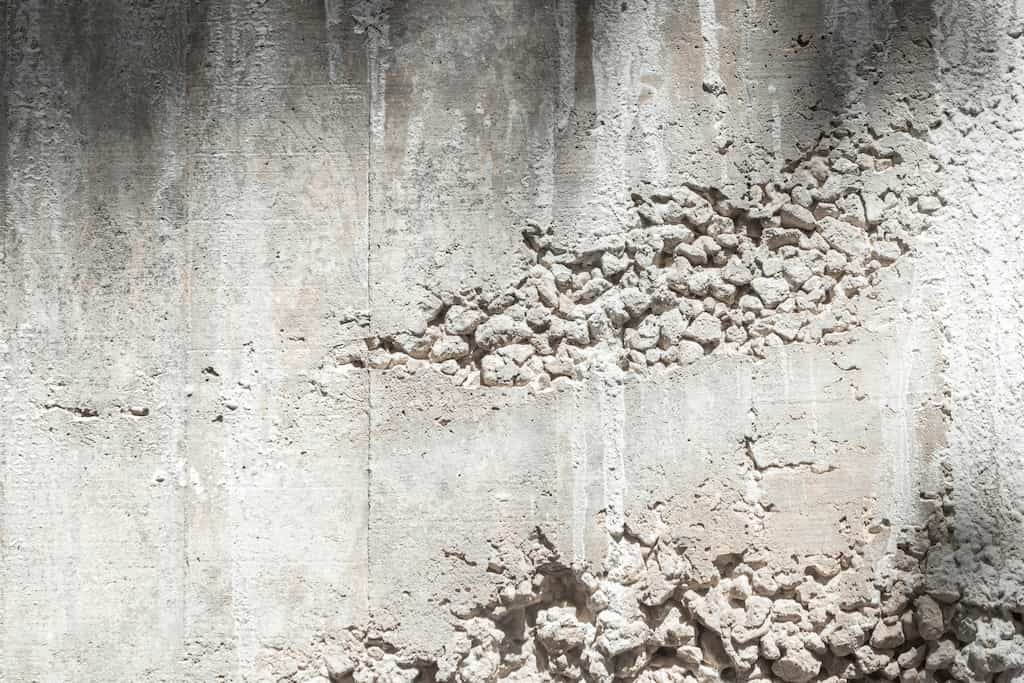
Aluminosis is a deterioration process that affects reinforced concrete elements made with aluminous cement, a material that was used in Spain for its high early strength and fast setting. Over time, and in contact with moisture and heat, this type of cement undergoes a chemical transformation that reduces its mechanical strength and increases its porosity, weakening the structure. If the process continues unchecked, this loss of strength can ultimately cause the collapse of the joists and floor slabs in which the cement was used.
It mainly affects floor-slab joists, but it can also compromise other parts of the structure if action is not taken in time.
Why does aluminosis occur?
Aluminosis is the direct result of using aluminous cement (also known as high-alumina cement) in structural concrete elements, especially precast joists. This type of cement was widely used in Spain between 1950 and 1980 because of its apparent advantages: it offered high early strength, which made it possible to shorten construction times on site, and it was fire-resistant. Decades later, however, it has become clear that its long-term behaviour can seriously compromise the structural safety of buildings.
Beyond the material itself, there are external conditions that encourage this pathology to appear and speed it up: damp or poorly ventilated environments, water from leaks or condensation, sustained high temperatures such as those found in roofs and penthouses, the use of precast joists without proper quality control, or a lack of preventive maintenance. In coastal areas with high levels of salt in the air, such as the Costa del Sol, the process is accelerated.
Symptoms of aluminosis in homes: how to detect it
Spotting the signs in time is key to avoiding more serious consequences. Some of the indicators that may point to aluminosis are:
-
The home was built between 1950 and 1980
-
Longitudinal cracks in ceilings or joists
-
Material detachment or whitish dust on the beams
-
Darkening of the concrete
-
Chronic damp stains on the ceiling
-
A hollow sound when tapping the joists
-
Visible deformation or sagging of the floor slab
However, the only way to confirm the presence of aluminous cement and assess its degree of degradation is a laboratory analysis of a sample taken from the joist. If you notice any of these signs, it is essential to contact architects in Málaga who specialise in structural pathologies for a professional technical assessment.
Is aluminosis dangerous? What are the consequences?
It depends on the degree of degradation. In the early stages, the strength may have been reduced without any immediate risk of collapse. In advanced stages — especially in homes with chronic damp or in coastal areas — the structural risk can be serious.
The main consequence of aluminosis is the loss of the floor slab’s load-bearing capacity, which in extreme cases can lead to partial collapses or structural failure. As well as the risk to people’s physical safety, it also means a significant loss of value for the property and possible difficulties in obtaining insurance or a mortgage, or in selling it.
The technical guides published by Spain’s Ministry of Public Works (Ministerio de Fomento) on intervention in structures built with aluminous cement are the regulatory reference in Spain.
How is aluminosis repaired?
1. Technical diagnosis
The first step in tackling aluminosis is a professional diagnosis using tests such as core sampling, chemical testing and material strength analysis.
2. Structural rehabilitation
Depending on the extent of the damage, the work may involve:
-
Metal or concrete strengthening
-
Replacement of damaged joists
-
Resin injection to consolidate the material
-
Full rehabilitation of the affected floor slab
At Klic Arquitectos, as architects in Málaga with expertise in structural rehabilitation, we analyse each case to propose the most effective and safest technical solution.
Aluminosis and buying a property: what the Due Diligence should include
If you are buying a home built in Spain between the 1960s and the 1980s, especially in coastal areas, the pre-purchase construction Due Diligence must explicitly include a visual inspection of the floor-slab joists and, if there are signs of aluminosis, the extraction of samples for analysis.
At Klic Arquitectos we have detected aluminosis in properties in Fuengirola, Torremolinos and other parts of the Costa del Sol with a high density of buildings from that period. A rigorous report can save you from a purchase with a hidden rehabilitation cost of between €30,000 and €150,000.
Unsure about a home you are about to buy? Klic Arquitectos carries out Due Diligence reports across the Costa del Sol within 5 to 10 working days.
How can aluminosis be prevented?
For prevention in new builds, the key is not to use aluminous cement and to opt instead for certified materials with better long-term performance.
In addition:
-
Ensure good damp-proofing
-
Apply structural quality controls
-
Carry out regular inspections of older buildings
Conclusion
Knowing what aluminosis is and how to prevent it can make the difference between a safe property and one at risk. This structural pathology, silent but dangerous, requires professional attention from the first sign. If you think your building may be affected, you are about to buy a home from that period or you need specialist technical advice, our team of architects in Málaga is ready to help you protect your property and ensure its structural safety.