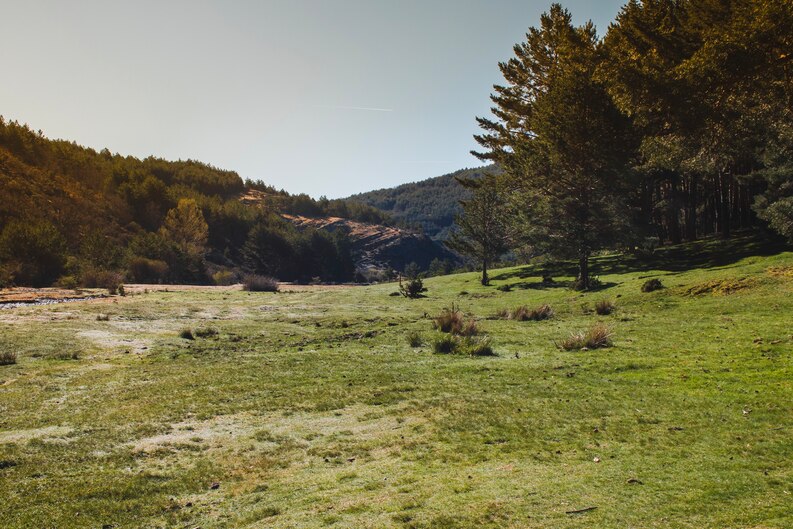
How many square metres are needed to build a house on rural land?

Cuantos Metros se Necesitan Para Construir Una Casa en Terreno Rústico

How many square metres are needed to build a house on a rural plot? Read on to find out all the factors to consider before choosing a plot of land for building a house.

We are Klic Arquitectos, an architectural practice based in Marbella. Visit our website to see our projects.

Thanks to our experience in exclusive residential projects, we are also recognised as luxury architects in Marbella, specialising in designing unique homes, even in areas where development is not permitted, whilst always complying with current regulations.

Rustic flooring

Building on rural land is generally prohibited; however, it is important to bear in mind that landowners have rights regarding the use and enjoyment of their properties, provided that certain conditions laid down by the relevant regulations are met.

In some cases, the regulations allow for building on a specific plot of rural land, provided that certain criteria and requirements are met. These criteria may relate to the location of the property, its physical characteristics, and other legal and environmental considerations. Among these criteria is your question regarding how many square metres are required to build a house on rural land, which we will discuss below.

It is essential to consult and comply with the specific regulations and guidelines for each area, as well as to obtain the necessary permits and authorisations before undertaking any construction project on rural land.

General Building Requirements in Spain (Guidelines by Autonomous Community)

If you are thinking of building a house or undertaking a construction project in Spain, it is important to be aware of the general requirements for building on plots of land. Below, we outline the most common guidelines you should bear in mind, although these may vary depending on the autonomous community:

  • Minimum plot size: A plot of between 2,000 m² and 2.5 hectares is required, depending on the regulations of each autonomous community.
  • Building coverage: The building must not exceed 20% of the total plot area, thereby ensuring efficient use of space.
  • Maximum permitted height: The building must not exceed a height of 7 metres or two storeys, to ensure it blends in well with the surrounding area.
  • Minimum setback: A minimum distance of 5 metres must be maintained between the boundaries of the plot and any buildings, ensuring proper separation between properties.
  • Access to a public road: All plots of land intended for development must have direct access to a public road.
  • Basic utilities: The plot must have essential utilities, such as drinking water, electricity, sanitation and an adequate waste collection system.
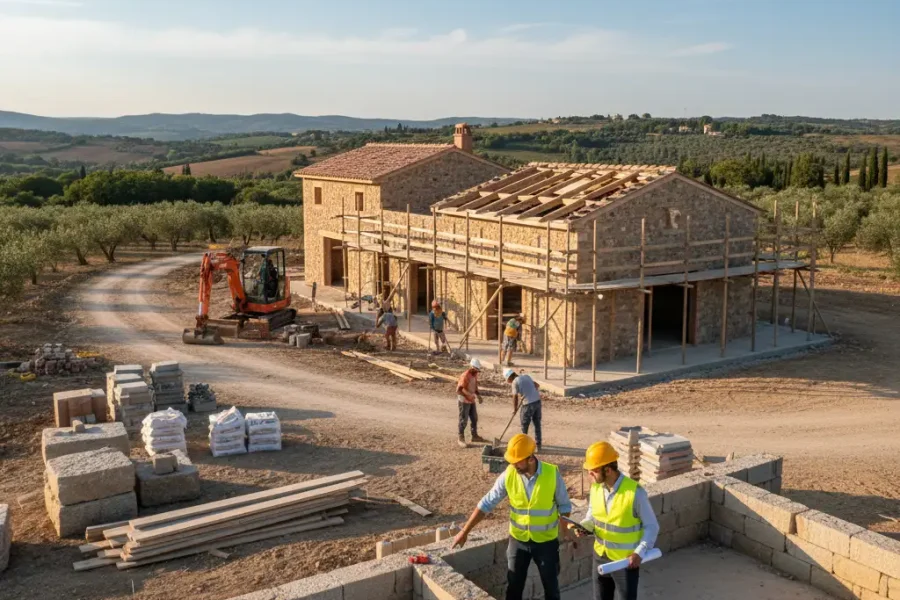
Building on rural land: regulations and requirements

Specific Requirements for Building on Rural Land in Andalusia (Law 7/2021)

If you wish to build on rural land in Andalusia, it is essential to be aware of the specific requirements set out in Law 7/2021, which regulates building on this type of land. Below, we outline the key factors you need to bear in mind:

  • Minimum plot size: To build on rural land, the plot must have a minimum area of 2.5 hectares (25,000 m²), ensuring it blends in properly with the rural surroundings.
  • Building area: Construction on rural land is limited to a maximum of 1% of the plot (i.e. a maximum of 250 m² of built area per plot), ensuring the preservation of the landscape and the responsible use of land.
  • Number of dwellings per plot: Only one detached house is permitted per plot, and it must be set apart from other buildings, so as to preserve the peace and quiet and the natural environment of the area.
  • Permitted height: Homes built on rural land in Andalusia may not exceed two storeys, in order to ensure they blend in with the surrounding landscape.
  • Minimum distance between buildings: A minimum distance of 100 metres must be maintained between dwellings, and 25 metres from the plot boundaries, to ensure privacy and the proper allocation of space.
  • Sustainable energy: Homes are required to be self-sufficient in energy, using solutions such as solar panels or other sustainable technologies, thereby promoting energy efficiency and respect for the environment.
  • Safe location: Buildings must be situated outside flood-prone areas and, if the land is forested, must have fire safety measures in place to protect both the building and the natural environment.
Can I build more than one house on a rural plot?

Generally speaking, it is not permitted to build more than one dwelling per plot on rural land. Planning regulations in Spain stipulate that, on land that is not designated for development or on rural land, only one detached house may be built per plot. However, there are exceptions and special procedures that may allow for the construction of more than one dwelling, although these are limited and must comply with specific legal and planning requirements.

If you are interested in building more than one property on a rural plot of land, you will need to follow a series of steps and complete certain formalities. Please note that these procedures may vary depending on the autonomous community and the municipality where the land is located. Here is how you can proceed:

  • Legal subdivision of the plot: In order to build more than one dwelling, it may be necessary to legally subdivide the land, whilst complying with the minimum plot size stipulated by local regulations.
  • Check the General Urban Development Plan (PGOU) and local planning regulations: It is essential to check the General Urban Development Plan (PGOU) and local planning regulations to ensure that the subdivision of land and the construction of more than one dwelling are permitted.
  • Obtaining specific local authority licences: Where permitted by the regulations, you must apply for the necessary licences from your local council, ensuring you meet all the requirements set by the relevant authorities.

Remember that each autonomous community and local authority may have different regulations and procedures, so it is always advisable to consult a professional or your local planning department to ensure you meet all legal requirements before starting any project.

Essential Steps for Building on a Rural Plot

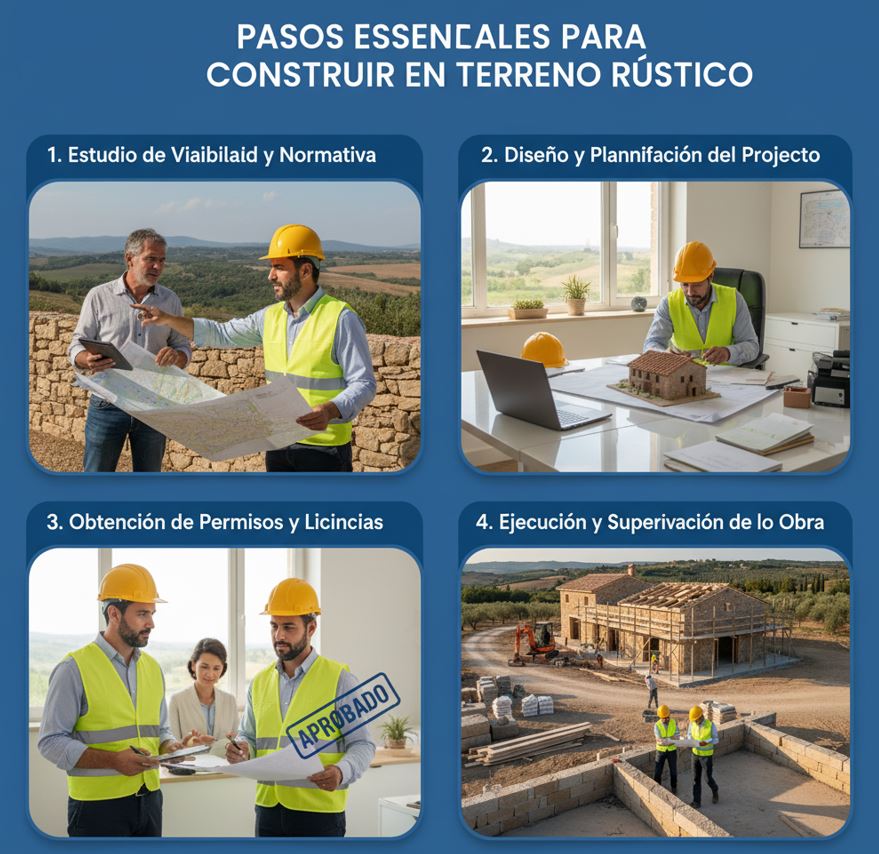
Key steps for rural land


Building on rural land is no easy task. It involves following a series of steps and complying with specific regulations, as construction is only permitted in very specific circumstances. Here we explain the key steps and essential points you need to bear in mind:

  1. Find out about local, regional and national regulations
    Before making any decisions, it is essential to check the planning regulations for the municipality where the land is located. Contact the local council to obtain detailed information on local requirements. Also, don’t forget to check the regional and national regulations that may affect your project.
  2. Hiring a specialist architect
    Although you can start this step even before checking the regulations, it is essential to have an architect with local experience. They will advise you on the legal and technical aspects of the project and help you draw up a building plan that complies with the regulations in force in the area.
  3. Site survey and feasibility assessment
    A crucial step is to carry out a geotechnical and topographical survey of the site. This analysis will enable you to assess the quality of the soil and determine the most suitable type of foundation for your project, thereby ensuring the stability and feasibility of the construction.
  4. Complete the necessary administrative procedures
    Once the technical plans are ready, the next step is to apply for planning permission from the relevant local council. If everything is in order and the application is approved, you will receive the building permit once you have paid the relevant fees.
  5. Explore financing options
    Securing financing for projects on rural land can be tricky, as many financial institutions impose restrictions in such cases. Generally, only a percentage of the total cost is financed, so it is essential to research different loan options and assess the best option for your situation.
  6. Signing of the site layout certificate
    Before work begins, a final check of the project must be carried out. This is done by signing the site layout certificate, which confirms that the plans and project documents are feasible on the actual site and that everything is in order for construction to begin.

For this type of project, where the natural environment and planning restrictions play a key role, working with top-tier architects in Marbella ensures a creative, legally sound approach that respects the landscape.
Meeting these requirements is essential to ensure that the title deed for the plot is legally valid and complies with current regulations.


If you’re thinking of building on a rural plot, don’t hesitate to get in touch with our architects in Marbella – we look forward to hearing from you!

That’s all for now on how many square metres are needed to build a house on rural land; we hope you’ve found this helpful. Keep reading the Klic Arquitectos blog to stay up to date with the latest in the industry!
Share article:
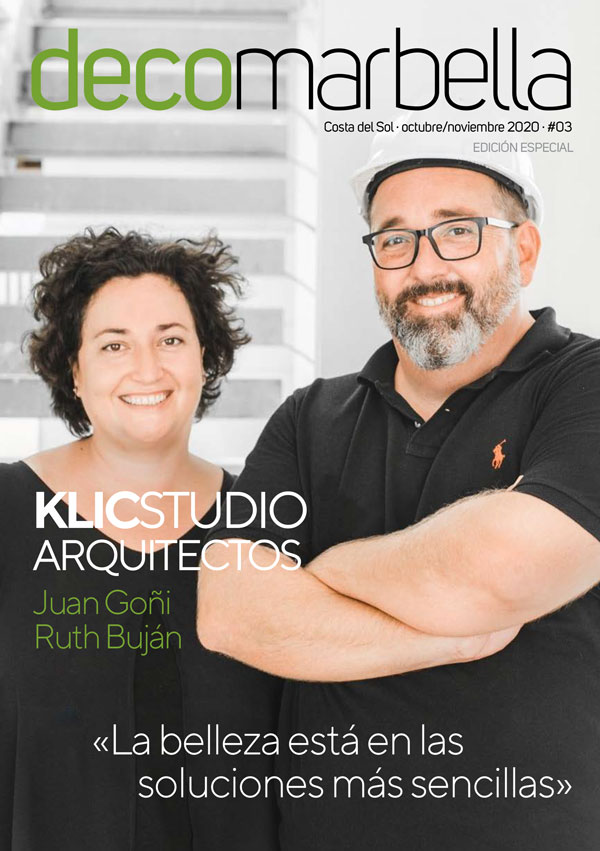
Klic Arquitectos en entrevista de DecoMarbella

Discover more about Klic Arquitectos

Juan Goñi and Ruth Buján, founders of Klic Arquitectos, talk about their project and their vision of architecture in this interview published in the specialized magazine DecoMarbella.

    Responsible: KLICSTUDIO ARQUITECTURA Y DISEÑO SLP. Purpose: To receive and respond to the current query and any possible communications derived from it. Legitimation: We will only process your data with your express authorization by checking the corresponding box in this form. Recipients: Only the staff of the responsible company will have access to the data. The data will not be transferred to third party companies for commercial purposes. Rights: You have the right to know what data we keep about you, to rectify it and to eliminate it as explained in our privacy policy.