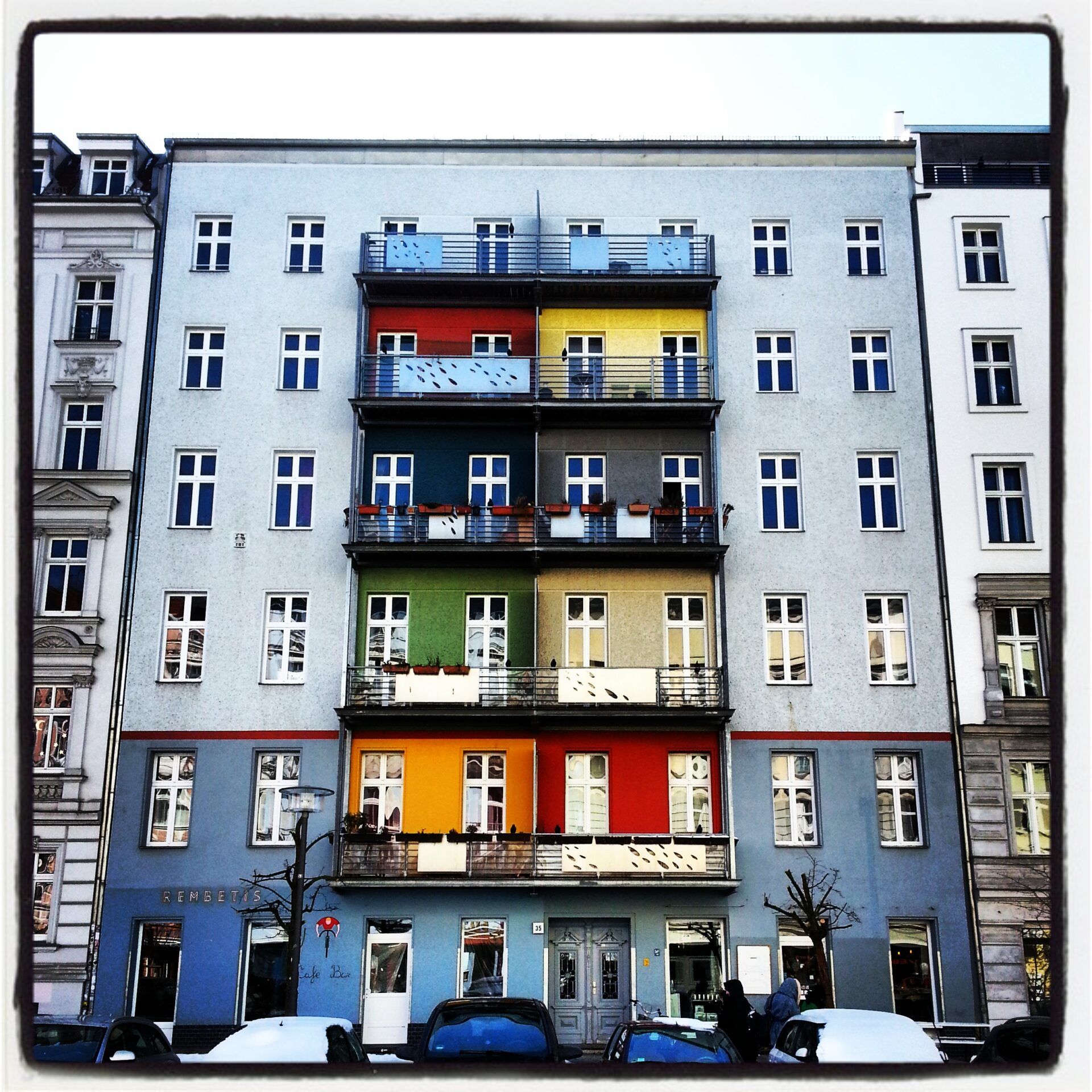
There are places your life pivots around. Berlin is one of mine. I lived there in 2003-2004 on my Erasmus year, and it was a beautiful stretch of life. In 2008, after a lightning trip back to the city, Ruth and I decided to make a commitment to each other that still holds today (and keeps growing). In 2013, ten years on, we returned for a trip full of reunions… with the friends who stayed on to live there, with the Polish nomads from my IAESTE placement in Łódź in 2005, who had decided to organise a get-together of old friends in Berlin, and with the city itself.
This post is meant to be about architecture, cities, change and society. But whenever I talk about Berlin the sentiment leaks out, so take that first paragraph as a declaration of personal bias and let’s get on to the reunion that belongs here: the one with the city. The rest of the reunions can go on my personal Facebook.
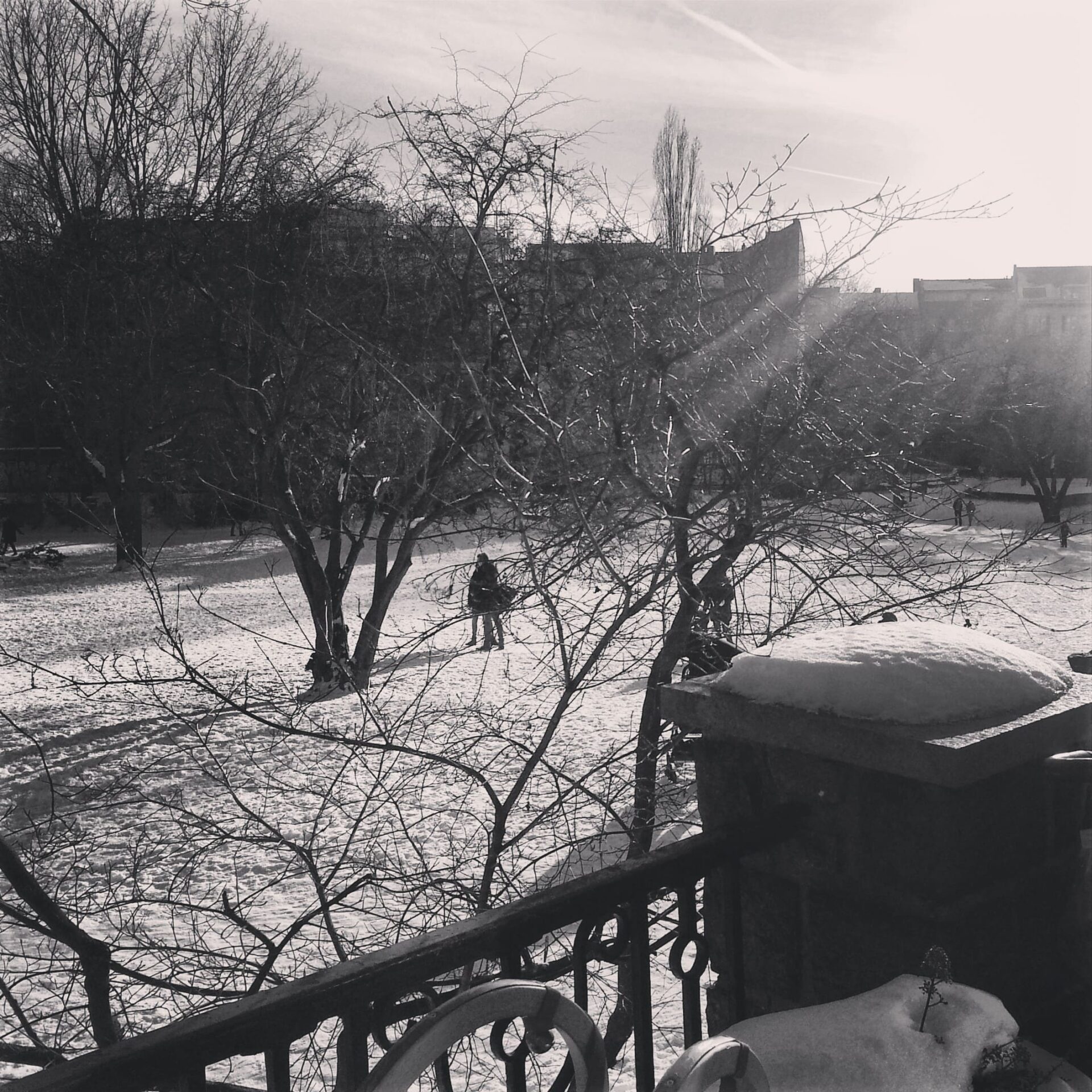
There is a line in a tango that says twenty years is nothing. So what are ten years? Half of nothing. And yet it is remarkable that a city can change this much in so little time. I remember Volkspark in 2003: buzzing, full of street musicians and jugglers. I remember people warning me not to go anywhere near it on the first of May, when it tended to be the epicentre of running battles, and I also remember it being a dependable place to get hold of something psychoactive. Ten years later I find a handsome park under snow. Beneath the snow you can see that the ground has been replaced with blue impact-absorbing safety surfacing for children to play on. There are football pitches for adults and for small children, and swings of every conceivable design. A nursery and a bar of markedly contemporary design with good views round off the change. My feelings are mixed. I miss the old park, but the new one answers the needs I have now… it is as if the neighbourhood were ageing along with me… it loses its fizz and its youth, but it is more comfortable and more family-minded… I would like to come here with Gabriel.
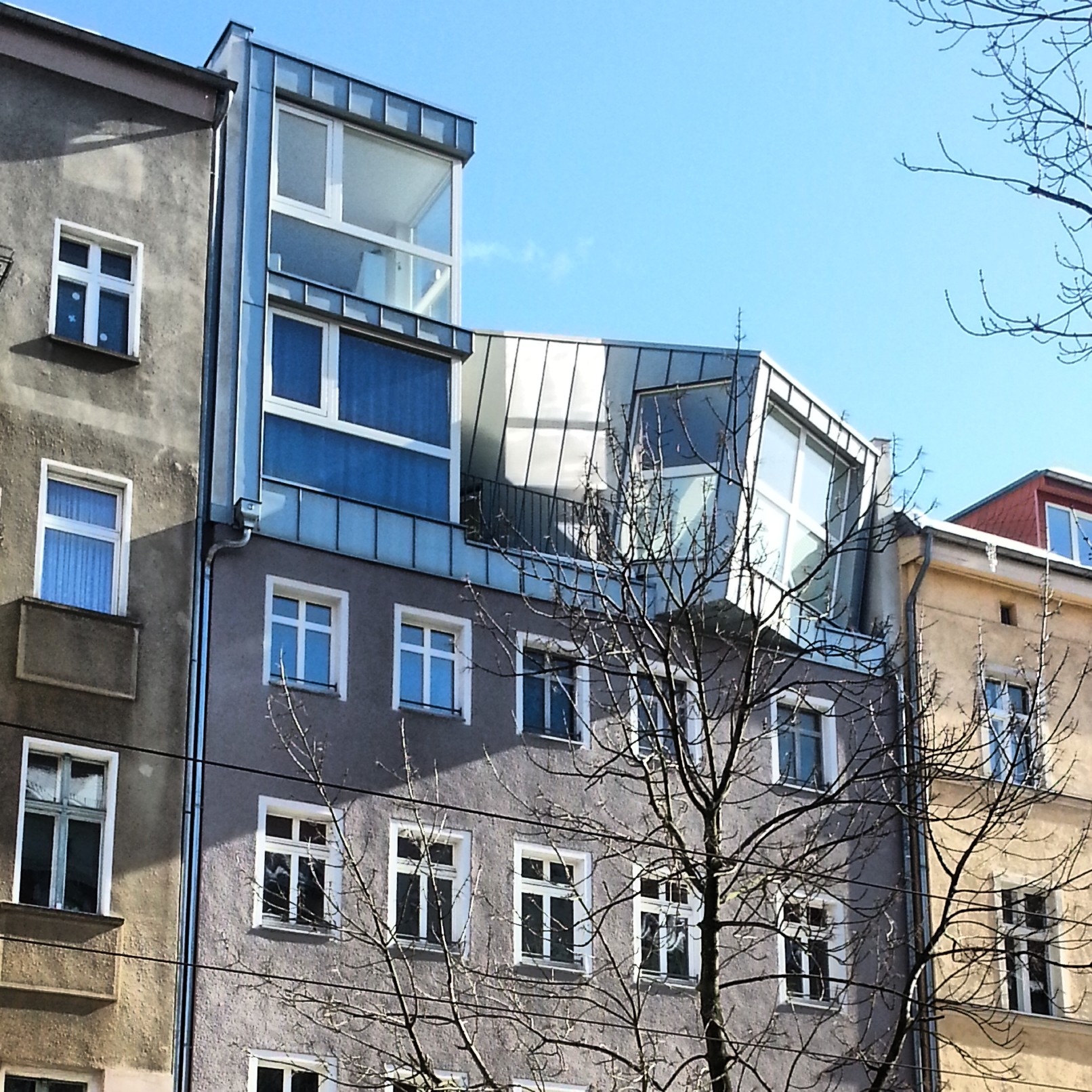
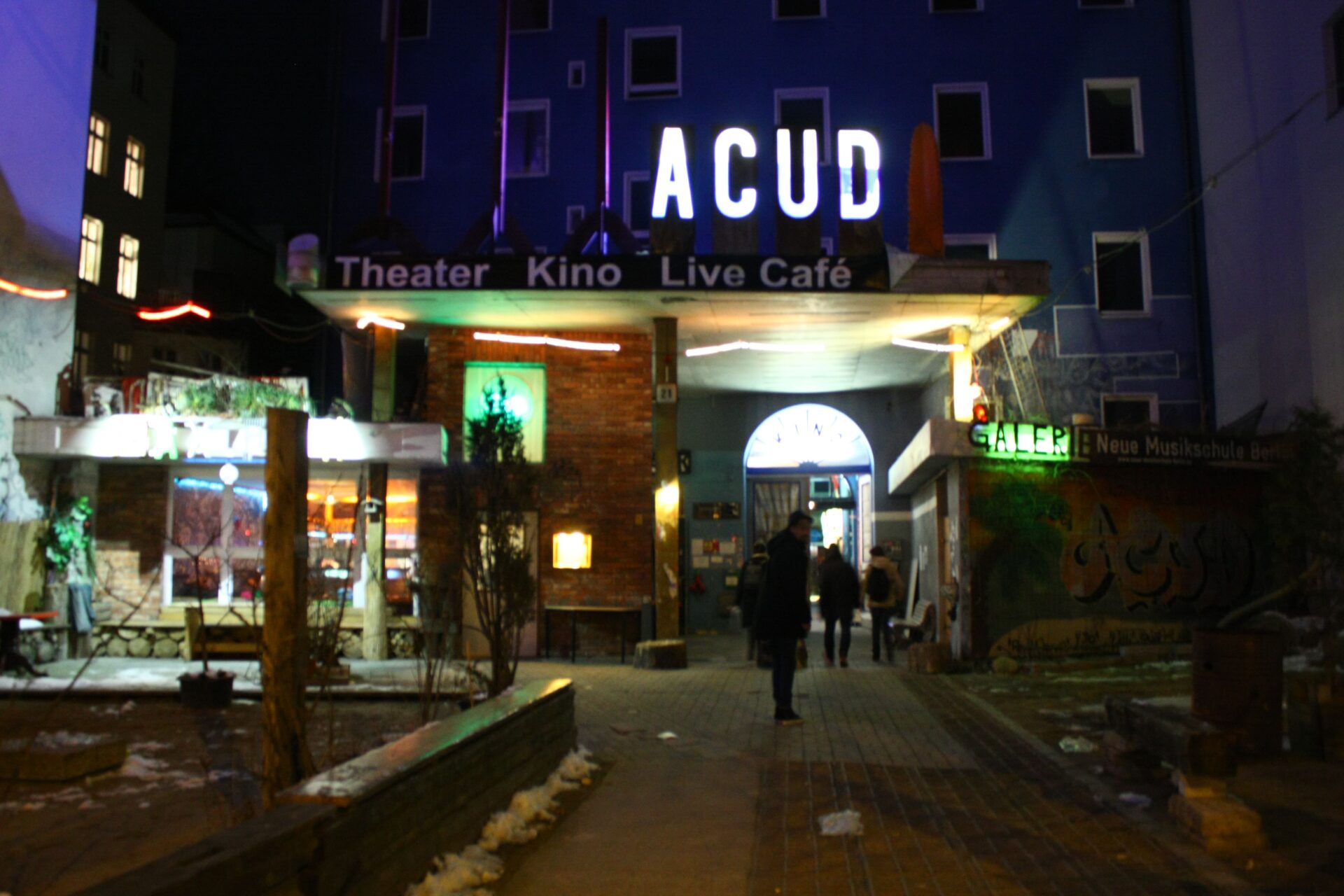
On other matters I am rather less lukewarm. Walking through Prenzlauer Berg I keep running into examples of modern architecture. All of them are luxury penthouses or private residential complexes, wedged in among the buildings of the old neighbourhood. In some cases they hem those buildings in, as with the ACUD, a squat with a tremendous cultural life, now harried by its new neighbours, who want a quiet neighbourhood – the very thing that did not exist when they moved in (I doubt the estate agent’s marketing photograph or the brochure for the block made any particular mention of the ACUD). There is an obvious and understandable conflict of interest between inhabiting a city and living it, but here it takes an extreme form. My friend Rodrigo, now a resident of Prenzlauer Berg and, as he puts it, part of this process of gentrification, tells me the building was heavily protested against, and that there was a banner reading something along these lines (I did not write it down at the time, and he told me in German, so the gap between what I write and what it actually said may be considerable)
“When you have built the last of your residential complexes, the last of your penthouses, when you have occupied the last of our empty plots… you will be living in precisely the provincial town you once decided to run away from”
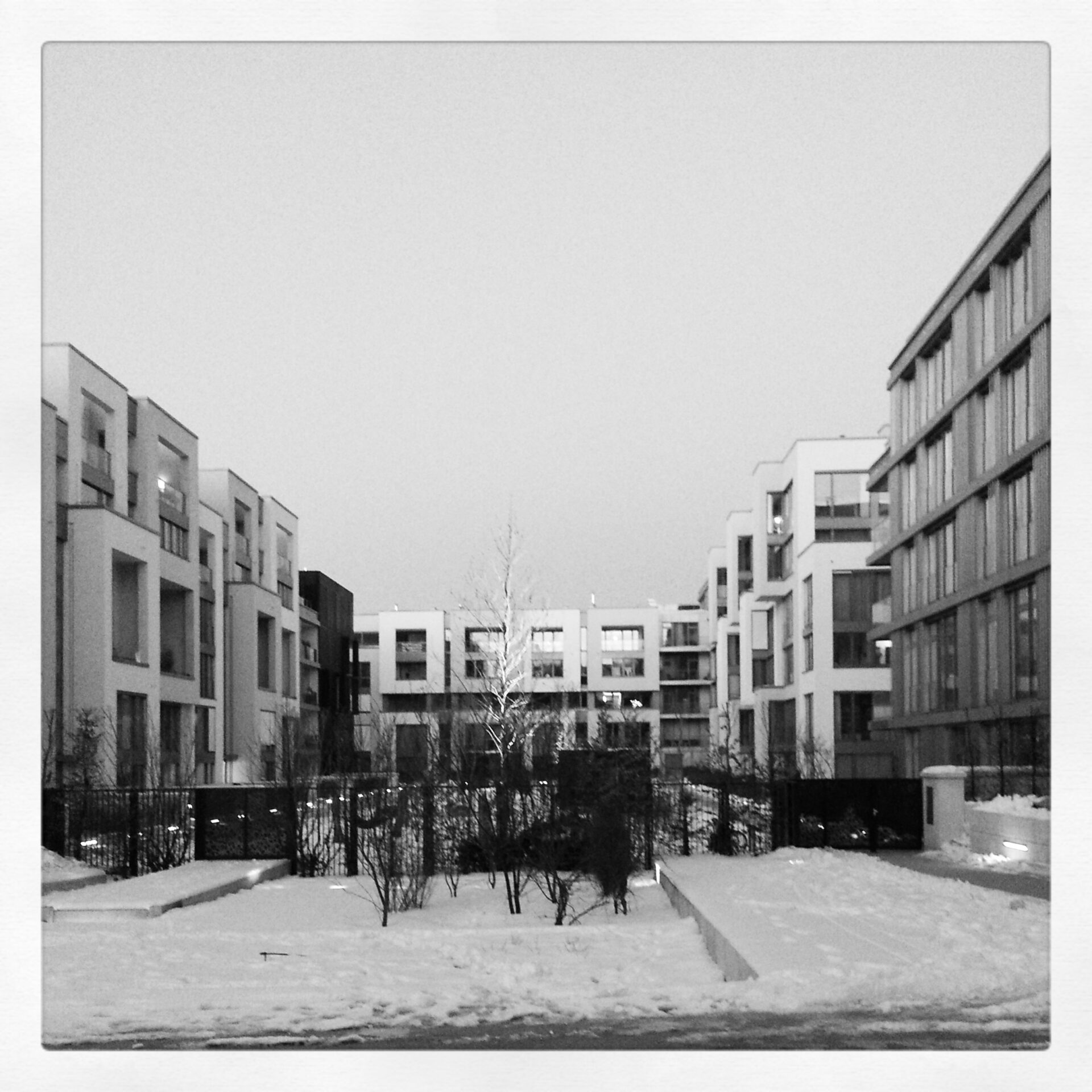
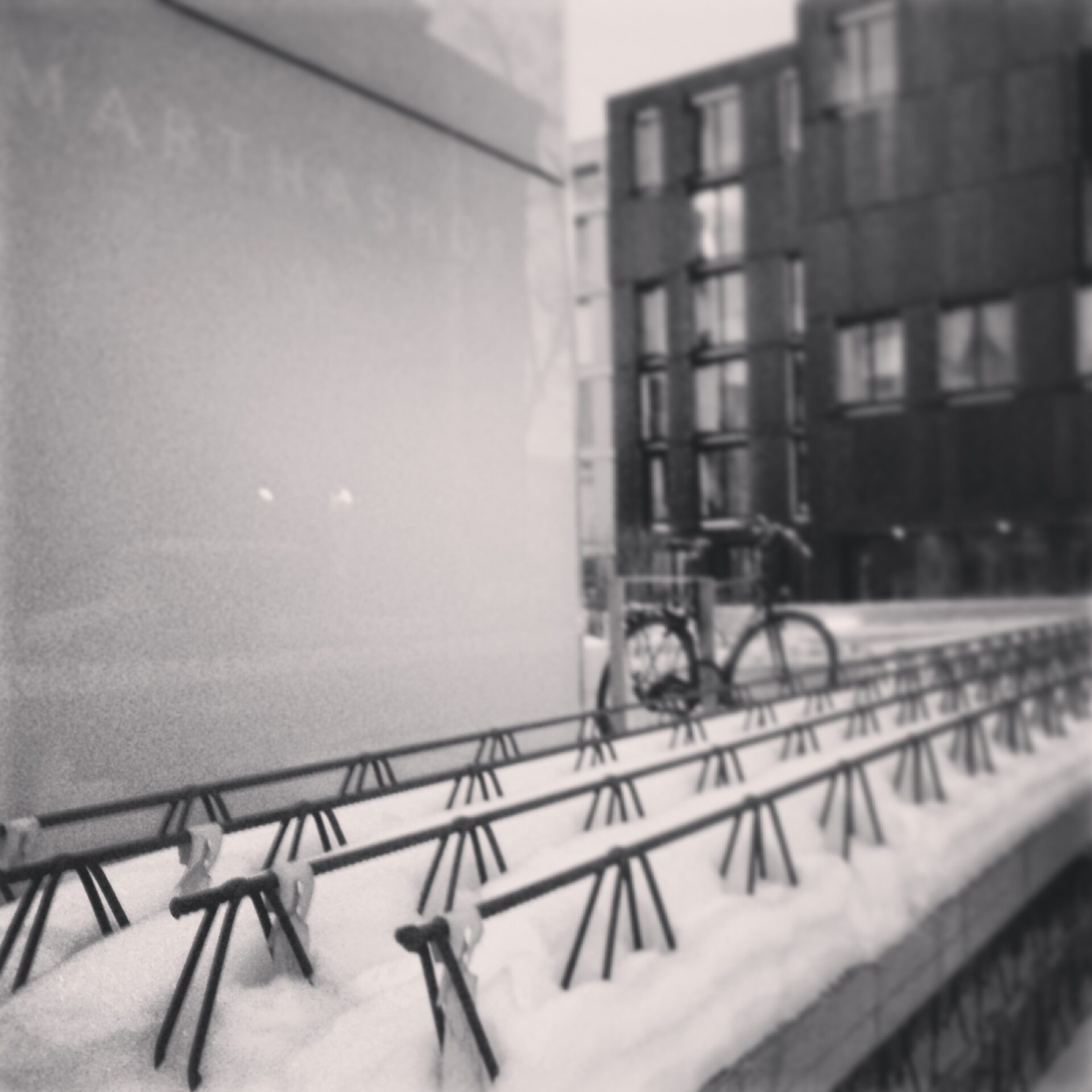
My experience on this trip was contradictory. On the one hand, admiration for how well made these buildings are, aesthetically, constructively and architecturally. On the other, a rejection of what the change means socially. Public opposition to these residential complexes – whose aesthetic expression, whose brand, is contemporary architecture – gives me pause. In the 1920s, contemporary architecture was the language attached to a social revolution: the Existenz Minimum, housing for everyone. In the second decade of the twenty-first century, in the big cities, that same contemporary language seems to have become the emblem of gentrification.
What might that mean for society? For cities? For architecture?
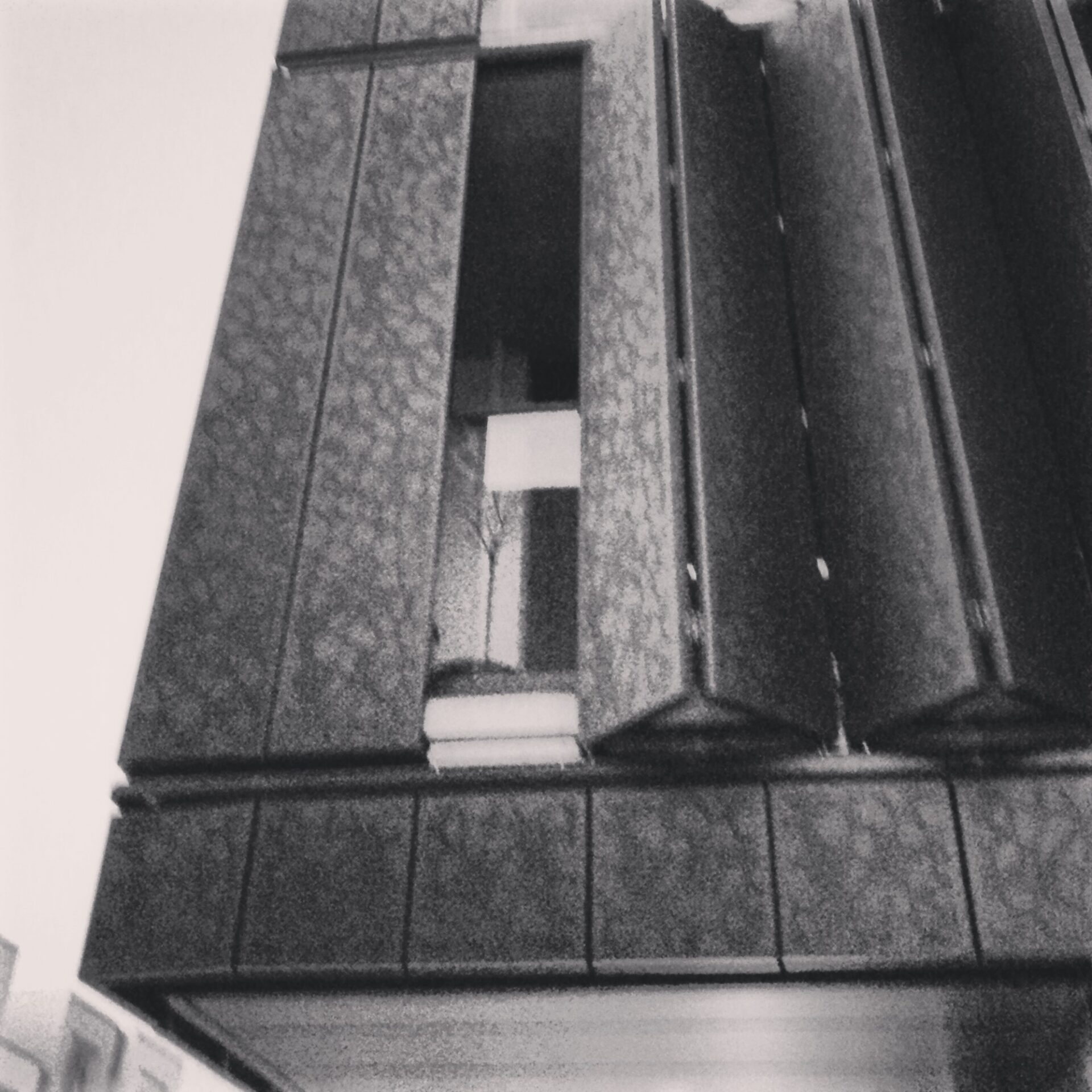
I think the parallel I drew with the park holds up reasonably well. A young, vital, effervescent city gives way to a more adult, comfortable, bourgeois one. Change is inherent to a city, and refusing to admit it would be a pose: living off the memory. But I also think room has to be left for coexistence. Berlin is the great European example of coexistence. In Kreuzberg, Turks live alongside Germans. People from the East live alongside people from the West. And now Berlin has to accommodate several generations living side by side, and respecting one another.