One of the most decisive arguments when it comes to building your own home (#hacermemipropiacasa) is being able to design it to measure, tailoring the project to your lifestyle.
This makes particular sense for professionals who move or extend their workspace into their own home, and who therefore need a set of very specific features to achieve the greatest possible comfort and productivity. A pleasant working atmosphere, in which light, ventilation, acoustics, independence from the rest of the home and equipment all play their part, has a real influence on the frame of mind in which you face your daily obligations.
The traditional housing market offers highly standardised, single-purpose homes. If you opt for self-build, you can add one more to the advantages we described in this post: turning your home into the best possible workspace.
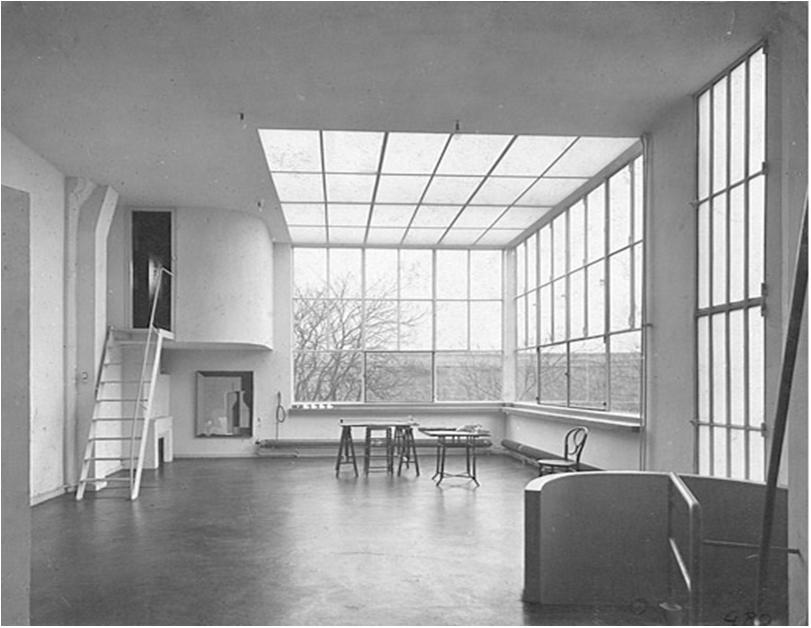
One of the best-known examples of this is Le Corbusier’s Maison Ozenfant, a landmark work that the Swiss master designed for one of the artists he collaborated with. In the image above you can see one of the spaces of the creative studio built into the house. As you will notice, the large windows on the façade and the rooflights ensure an abundant flow of light, always within a harmonious composition of the space.
In other projects, the activity carried out in the home gives it a character inseparable from the house itself. In Casa Sendin by Tonet Sunyer, which also works as an architecture studio, professional activity does not come at the expense of privacy: the programme is laid out in two clearly differentiated wings, which makes it easy for the studio and the home to coexist.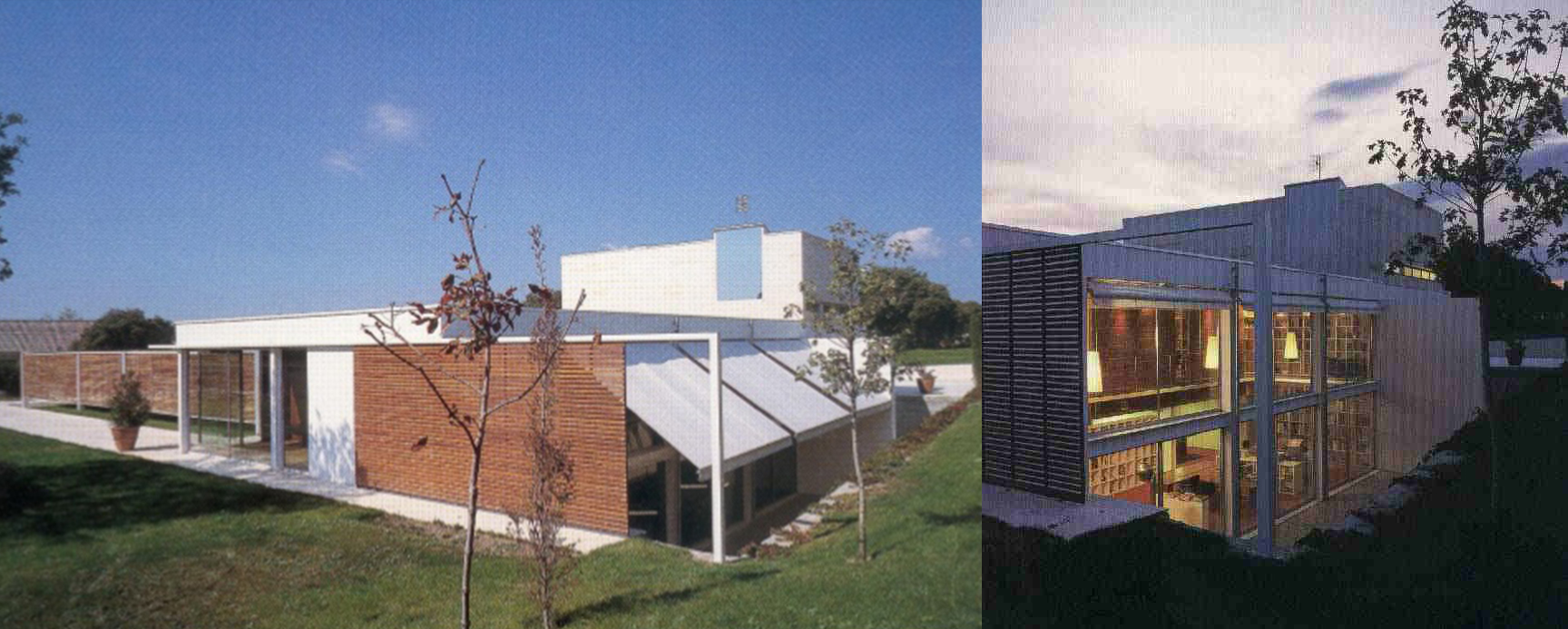 Some more contemporary examples by architects we regard as benchmarks are RCR’s House for a Carpenter and Carlos Ferrater’s House for a Photographer, both of which make the most of the available plot and fine-tune the design to allow mixed use of the home.
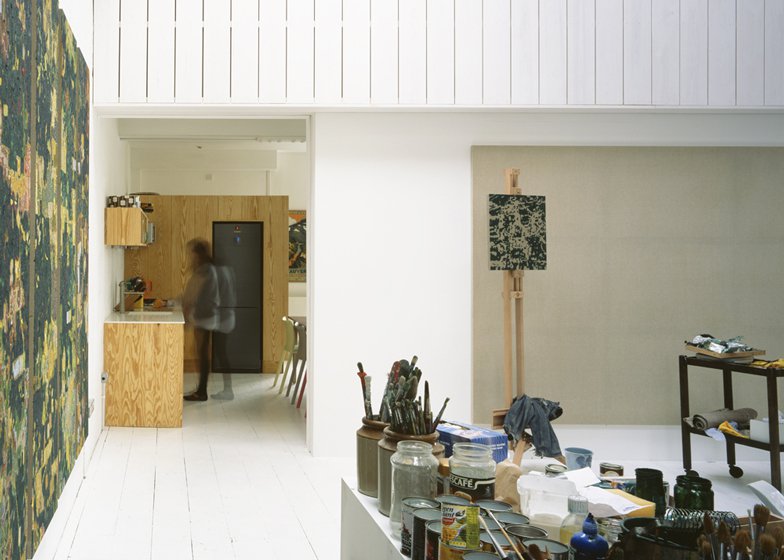
Here are some inspiring examples of homes that double as workspaces.
Many more could be added, practically as many as the professions we can imagine… Further suggestions are welcome 😉