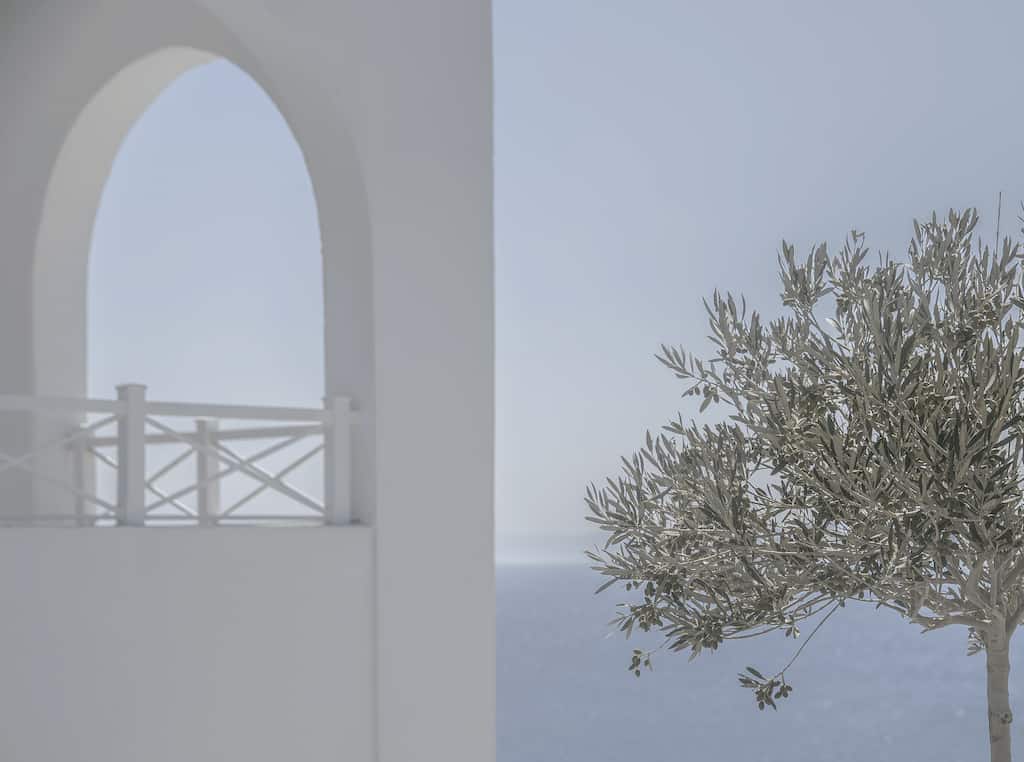
Mediterranean architecture is an architectural style that has established itself as a symbol of harmony, beauty and functionality in warm regions. Inspired by countries bathed by the Mediterranean Sea, such as Spain, Greece, Italy and Morocco, this architecture stands out for its intelligent adaptation to the warm climate and its natural integration with the environment.
Below, we review its main features and how you can apply them in your housing project, with the help of our architecture studio in Marbella. Whether you are looking for an Architect for villas in Benahavis or designing your dream home elsewhere, these principles will guide your project to success.
Main characteristics of Mediterranean architecture
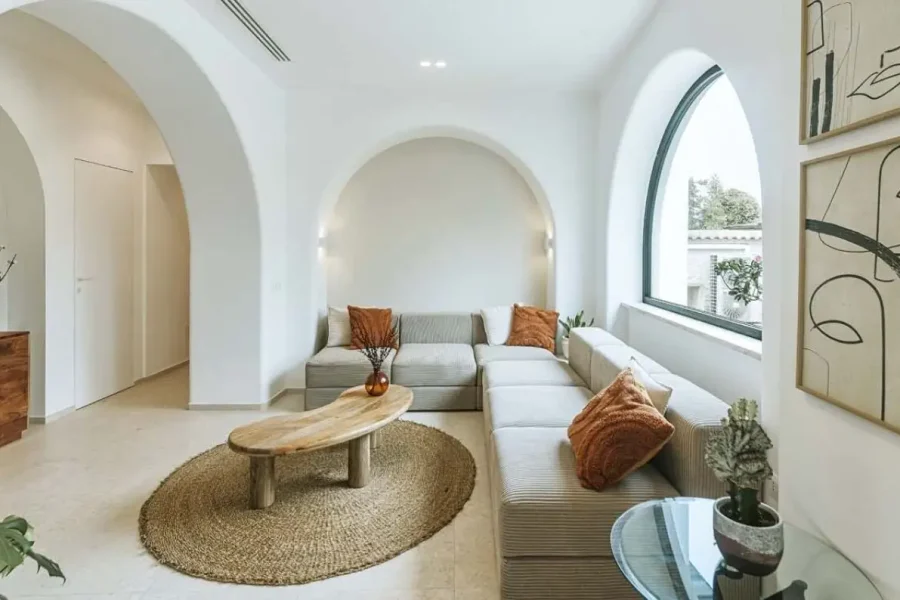
1. Light and fresh colors
The predominant tones are white, beige, blue, ocher and gray. These colors effectively reflect sunlight and prevent heat absorption, creating bright and cool spaces all year round.
2. Natural and local materials
The use of stone, adobe, brick, wood and ceramics defines the personality of Mediterranean architecture. These materials, in addition to being sustainable, provide a rustic, warm and authentic aesthetic.
3. Outdoor spaces are the protagonists
Patios, terraces, rooftops and gardens are essential. They function as meeting and relaxation places, perfect for enjoying the Mediterranean climate. Structures with wooden pergolas or cane awnings provide shade, favoring a pleasant microclimate.
4. Natural lighting and ventilation
Large windows and transparent doors allow light to flood the rooms. Sloping ceilings facilitate cross ventilation, maintaining a pleasant interior temperature even on the hottest days.
5. Clean lines and simple shapes
A sober and minimalist design predominates, where each element has a clear function. This simplicity brings elegance and serenity to the spaces.
6. Integration with the landscape
Mediterranean architecture always seeks to harmonize with the natural environment. Elements such as dry stone walls, native gardens and decorative fountains create a smooth transition between the house and the surrounding nature.
7. Handcrafted decorative details
Arches, columns, wrought iron railings and hand-painted tiles are frequent details. These handcrafted elements give character and uniqueness to each home.
8. Rustic and natural furniture
Functional furniture made of wood or wrought iron is used. Natural textiles such as linen and cotton complement the style, providing freshness and comfort.
9. Characteristic roofs
Roofs are usually covered with terracotta or clay tiles, sloped to facilitate water drainage and improve natural ventilation.
Examples of distinctive elements of Mediterranean architecture
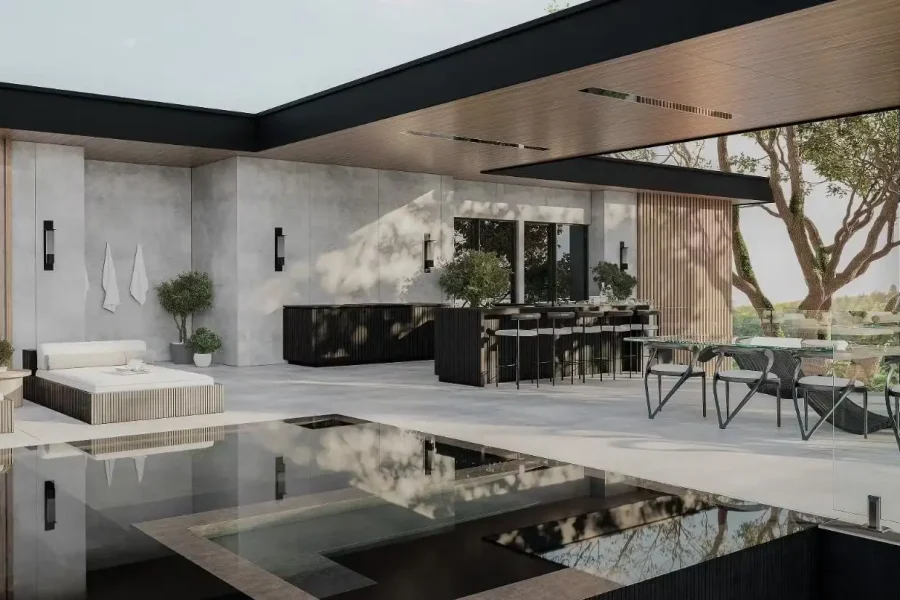
- Patios and terraces: Ideal for outdoor living, with natural shade elements.
- Arches and vaults: Provide spaciousness and architectural elegance.
- Arched windows and doors: Facilitate ventilation and natural lighting.
- Rosettes and mosaics: Add color and artisan authenticity.
Why choose Mediterranean architecture?
Opting for Mediterranean architecture is a commitment to sustainability, energy efficiency and quality of life. Its design is designed to minimize energy dependence through bioclimatic strategies that are perfectly adapted to the warm climate.
At Klic Arquitectos we have experienced architects in Marbella that will help you create spaces that capture the Mediterranean essence and ensure unsurpassed climatic comfort.
If you want to find out more or have a project in mind, do not hesitate to contact us!